
 By
By 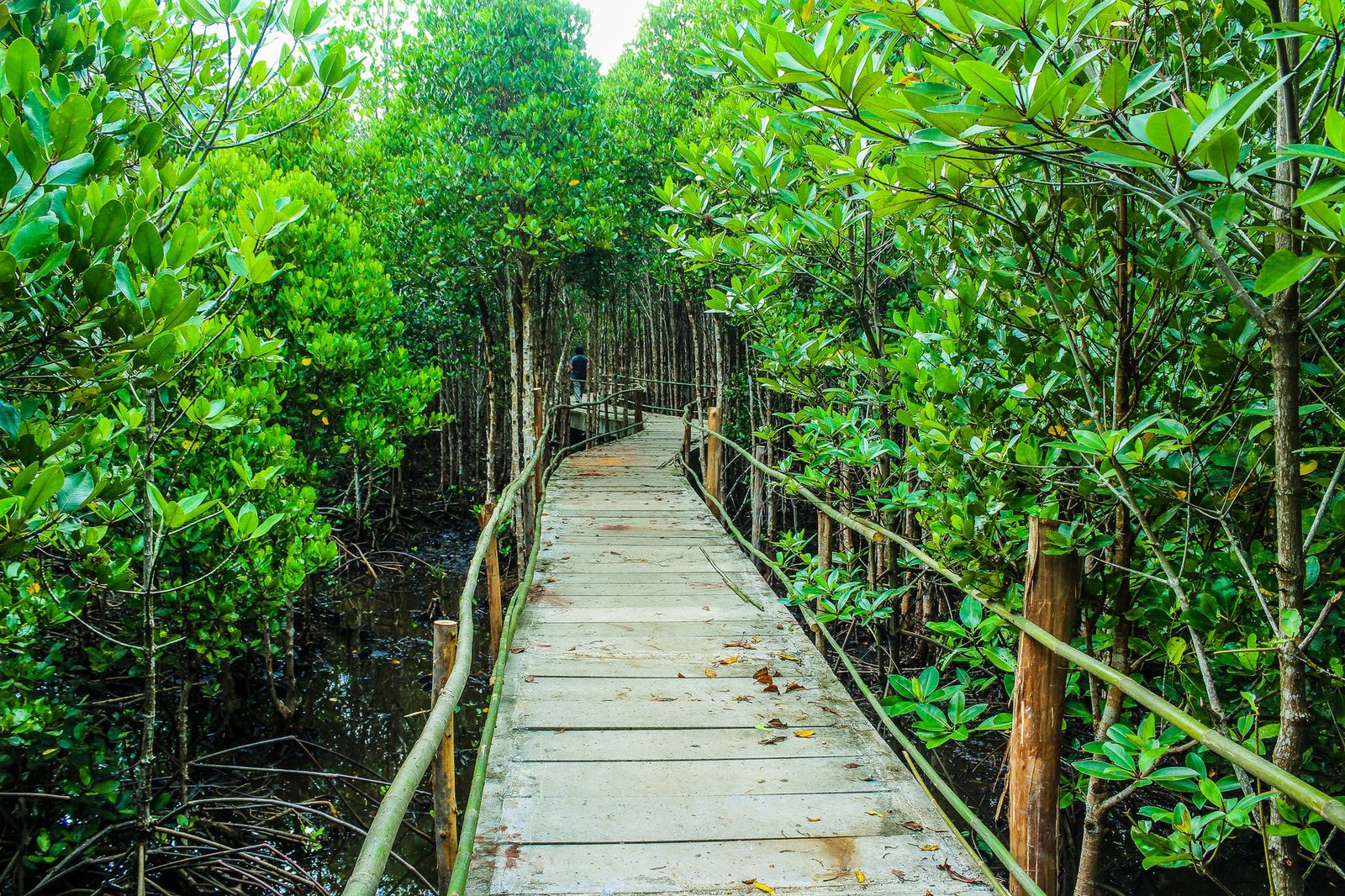
It was only through doing an in-depth research project on Mangroves that I realized the treacherous and hostile world of humans, that companies would spend scathing amounts of money to prove that the indigenous tribes were the cause of the destruction of the mangroves, and completely deflect blame on the fishing industry that only recently has exploded with unregulated markets
Hope-Elena Sardella, 05/25/2020
Ecosystems and Community Structure
By Hope-Elena Sardella, March 25, 2019
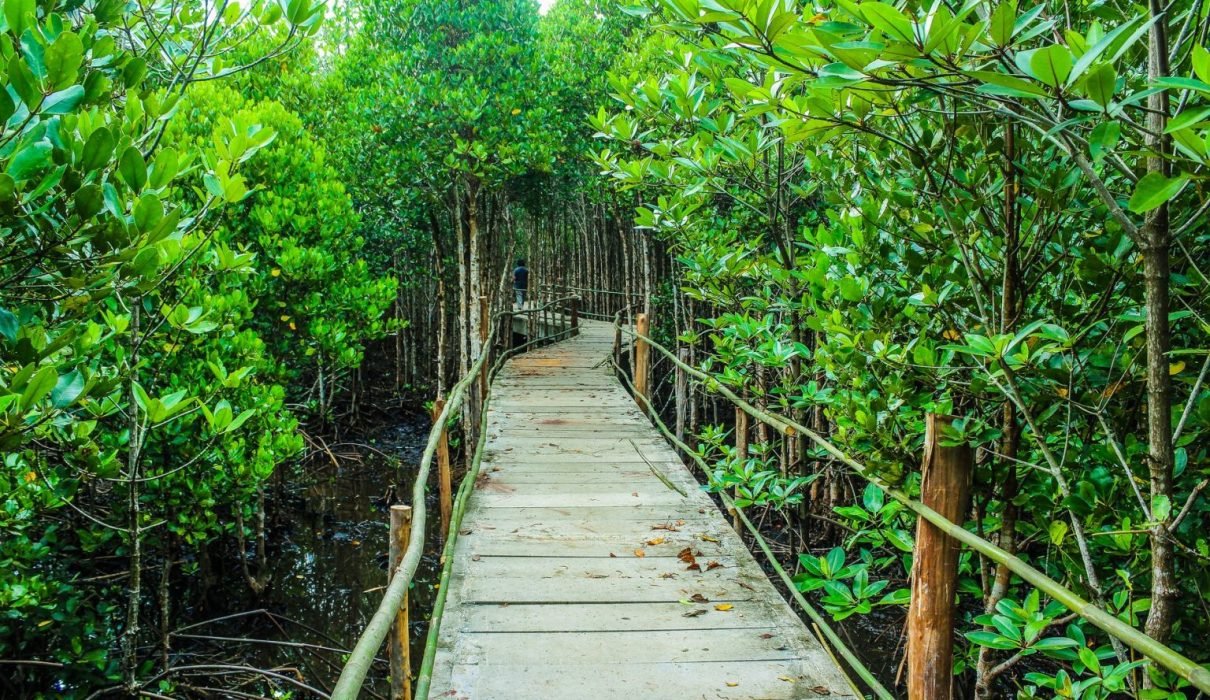
If you are wondering what in the world a mangrove is, you may have seen the exotic tropical & subtropical species of trees existing on the coasts of the ocean, or even lakes and swamps. This historically misunderstood species of halophytes is more often than not referenced by journalists for its capability of reducing global warming. Mangroves flourish in the littoral zones; commonly known as the area of land near the coast taking in salt water, yet they are dependant on the inundation of fresh water from Highland locations (Lugo & Snedaker. 1981. para. 1). The mangrove forests have a rare ability to take in salt and freshwater, which has ultimately defined this species as a facultative halophyte: that being a salt-tolerant species of trees, additionally posses the has the unique capability of not needing salt water to function, but this rarely takes place due to species competition (Chen & Twilley, 1998, pg. 39, para. 5). Moreover, Lugo & Snedaker (1981) further classify the mangrove species by referencing the work of Waisel (1972) who identified the mangrove species as being associated with twelve different genera, further grouped into eight families (pg. 43, para. 1). Among the currently defined genera of mangroves, the predominant species of mangroves in the New World currently consist of the Sonneratia, Bruguiera, Avicennia, and Rhizophora mangrove species (Smith & Smith, 2015, pg. 25.5, para. 1). The significant purpose of this study is to develop an understanding of the physical, and biological characteristics of mangrove forests, as well as to give examples of mutualistic relationships between critical species and their role in the mangrove ecosystem.
Some of the key points that will be presented revolve around the global health of the mangrove population in regards to their systematic endangerment. The analysis of the mangrove forests begins with is an in-depth analysis of the abiotic factors that of primary importance to the mangroves ability to thrive. Furthermore, the author proceeds to then describe the biological structure; or living plants and animal species such as aquatic structures present; species diversity & composition. To further explore functional mechanisms of the mangrove forest ecosystem; the author will define the mangroves interactions between abiotic structures (i.e; physical structures) of an environment, as well as the biotic structures’ that contribute to Mangrove’s complex ecosystem productivity (such as biomass production), food-webs present, as well as the availability of nutrients, and the cycling of nutrients. In light of these ideas, I close with the current state of the mangroves species by quantifying the damage this halophyte species has suffered due to the negligence of humans. To conclude, the author will make predictions on the potential future of these beautiful species of trees. The term abiotic factor is a blanket expression that represents the aggregate set of physical environmental components that shape an ecosystem. The physical structures of an ecosystem determine the collective atmospheric temperature and the precipitation as well as the light availability in the ecosystem (Calow, P. 1998)[2]. Equally important author Calow, P. (1998) further explains that just as physical factors can aid in the development of a species growth, the abiotic factors can also be persistent in contributing to accumulative input of stress on a community (abiotic stress), by causing an environmental signal, or Token Stimuli, that can provoke the physiologic, and or behavioral induced response; such as mass animal migration, and diapause (reduced growth rate). In light of these ideas, the physical factors of salinity, flooding, light, nutrient availability influence the development of mangrove forests. Evidence from Chen & Twilley (1998) contends that maximum rate of growth of mangroves is restricted by the abiotic stress of the environment, availability of resources, light, nutrient content, and increasing global temperatures (pg. 39, para. 5). In connection with this evidence, an important concept that the reader must understand is that each species of mangroves vary in their response to abiotic stress; this can be distinguished by its ability to adapt to abiotic factors rather than require them. The author would draw your attention to the importance of salinity as an abiotic factor in the mangroves ecosystem. The presence of salinity in the mangroves ecosystem is rare because salt has the remarkable ability to govern survivability, development, and overall tallness (as cited in Chen & Twilley, 1998, pg. 39, para. 5)[2]. However the mangroves capacity to tolerate salinity stress in contingent on the specific species of mangroves genetic capacity to regulate salt and water intake (Chen & Twilley, 1998, pg. 39, para. 5)[2]. Along these lines, the physical component of flooding regulates the overall growth and formation of mangrove seedlings. Again, each species of mangroves ability to cope with varying quantities of flooding changes from species to species (as cited in Chen & Twilley, 1998, pg. 40. para. 3).
Another significant abiotic factor in mangroves are the nutrient levels in muds that mangroves use to take root. According to Chen & Tilley (1998), in a mangroves adult stage
of life have the differential capacity to thrive in soil with elevated concentrates of sulfide present (pg. 40, para. 3). In examining this material, we see that mangroves are dependent, yet independent of the requirement of salinity that a majority of halophytes species, making them a facultative halophyte. In experiments conducted, results concluded that abnormals amounts of salinity and degradation of fertility in present soil significantly halts growth in mangrove forests (Chen & Twiley, pg. 43, para. 5). Subsequently, the physical component of frequent flooding in mangrove forests does play a significant role in the seedling development of mangroves, but comparatively, each species has its independent capacity to withstand flooding in seedling developmental stages. Finally, Chen & Twilley (1998) developed a model to simulate the environmental conditions of Florida; results determined that with increased fertility in available soil growth, only increased by 0.6 in asymptote in the value of RNA; suggests that the abiotic factors of light availability, as well as self-thinning, can put increased stress on the mangroves ability to thrive (pg. 43, para. 5). It is plausible to conclude that the abiotic factors of the mangroves ecosystem are a complex system that fluctuates in response to environmental changes from species to species.
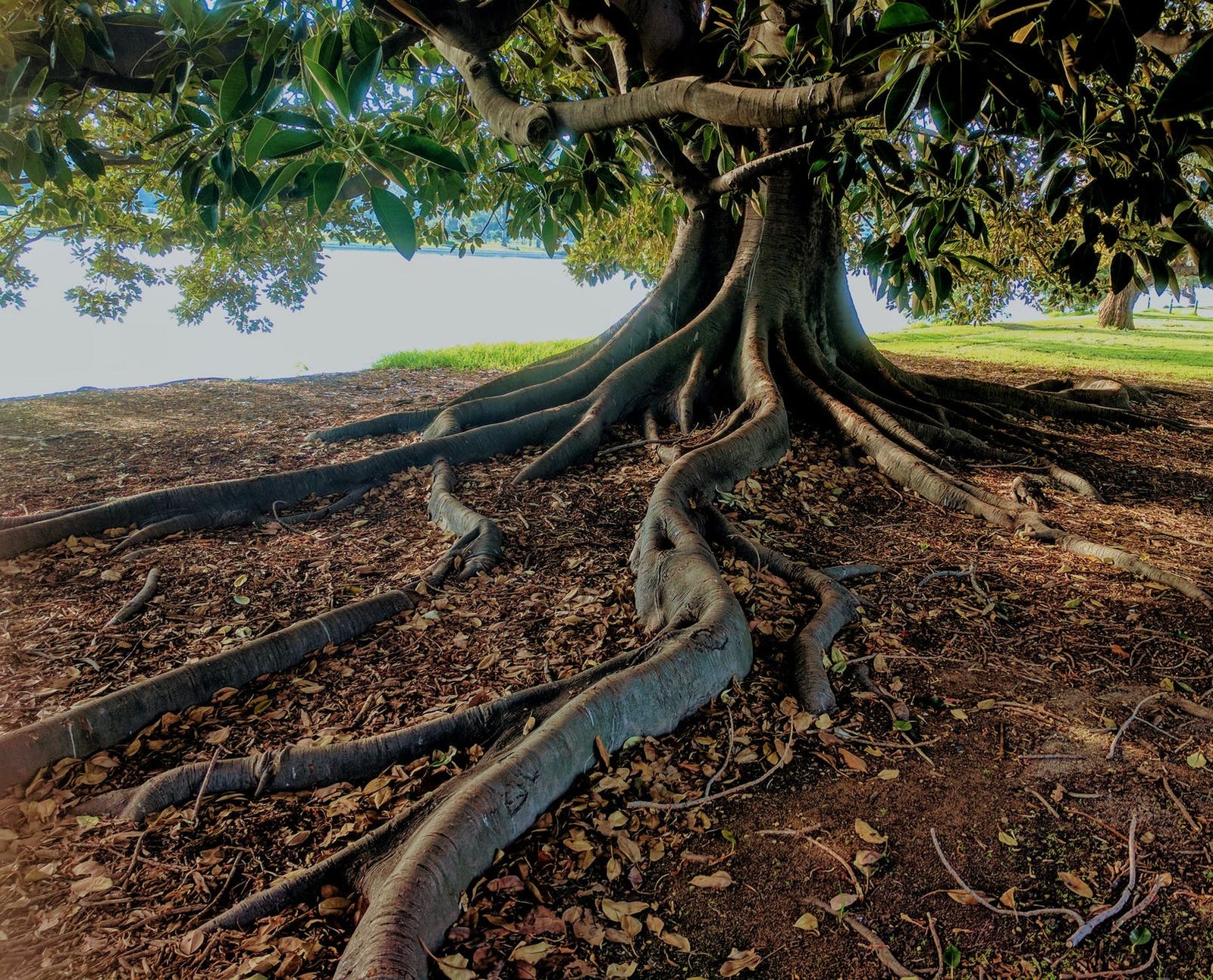
Let us have a deeper understanding of the biotic factors that envelope the mangrove ecosystem inner workings. Authors, Smith & Smith (2015) define biotic factors to be composed of the plants, animals, living organisms, as well as fungi, existing within that particular ecosystem (pg. 4.5, para. 2). The mangroves forests are home to fauna (animals,), and flora (vegetation), and without these vital biotic factors; the development of soil formation would not be made possible (Smith & Smith, 2015, pg. 4.5, para. 1). Additionally, the mangroves are home to a vast array of species that are all connections in a mutualistic relationship. Evidence to support this fact is not difficult to find; for example, the intricate maze of roots that the mangroves have developed are estimated to produce organic matter of nearly four tons every year; is one of the best ecosystems to harbour sensitive marine life, shellfish, as well as larger aquatic predators (Shaw, 2017, pg. 2, para. 1)[4]. According to The Florida Museum the microorganisms that are produced by the fungi decomposition of leaf litter (detritus), provides a viable food source for over seventy-five-percent of the big game fish, as well as ninety percent of the accumulative commercial fish species through the release of nutrients through of tidal influx (“Mangrove Life,” n.d)[3]. Unfortunately, the mangrove forests have traditionally been understood by the abiotic factors that surround their ecosystem, but new evidence has come to light that may break ground for our misconception. Recent studies by Cannicci et al. (2008) of mangrove to propagule predation of Sesarmidae crab and Ocypodidae proved that the crab herbivory (plant eating organisms, and borrowing habits can facilitate as a catalyst influencing the structuring, biological functionality of mangrove forests (pg. 186. para. 1). A plausible interpretation of the above is that the biological factors that exist in them complex mangrove ecosystem is that of a mutualistic relationship between, fauna, and flora.
Additionally, the understanding of anatomical structures in the existing mangrove ecosystems have been historically underrepresented at best, primarily due to a lack of knowledge of the mutualistic relations between each organism, and differential species of mangroves forests. Subsequently, further analysis is needed to determine the biotic factorsseamless integration with the abiotic factors that encompass the mangrove ecosystem. Without new concrete evidence on the mutualistic relationships of mangroves; modern science will continue to have a very mixed understanding of the ecology of each interspecific species of mangroves.
The analysis then proceeds to explore the functional mechanisms of the mangrove forest ecosystem in correlation with the mangroves interactions between abiotic structures (i.e; physical structures) of an environment, and the biotic structures’ that contribute to Mangrove’s complex ecosystem productivity (such as biomass production), food-webs present, as well as the availability of nutrients, and the cycling of nutrients. The ecosystem of the mangrove forests can be defined as having two separate but linking storages; the above-ground structure, as well as the muds, which are subsequently joined together through perpetual recycling of organic matter; and propelled by the forces of the chemical synergies of photosynthesis (plants converting sunlight into sugars consume as food) (Lugo, A., & Snedaker, S. 1974. pg. 42, para. 2). Furthermore Lugo & Snedaker (1974), state hat the extraction of biomass is regulated by the influx of highland locations that are further altered by the channeling of drainable substances; this process then ceases flow of energy in the ecosystem of mangroves; thus leading the stream of input to further downstream areas (pg.42, para. 2). Additionally, the biomass from fall of litter, as well as the occasional occurrence of hurricane disruptions have the capability of releasing the above-ground structure of the mangrove into detritus (Lugo & Snedaker, 1974, pg. 42., para. 1). This evidence shows that both above-ground structures and the muds should be considered living, for they are both reliant on photosynthesis.
Building on these ideas, the zonation of mangroves has been a topic of curiosity since they were first discovered. The term zonation describes the ecological communities that create patterns, or changes to the land that are measurable with boundaries drawn by the abiotic and something biotic factors (zonation. 1998)[4]. Some vital context from Lugo & Snedaker (1974) emphasizes that when looking at the zonation of mangrove communities it is conceivable that the typical successional order of occurrences did not lead mangroves to the coast; but alternatively of a series of events; such as lengths of times in which tidal frequencies were low, thus drawing the mangroves closer to the water (pg. 44. para. 2). Comparatively, if the mangrove populations are receiving an overabundance of salty from the ocean, yet not enough fresh water; mangroves populations will be drawn inland. An example to analyze is: Mckee, K. (1993), study of the zonation of three mangrove species (Red Mangrove, White Mangrove, and the Black Mangrove) which resulted in a conclusion that the topography and the fluctuation of tides has a dramatic impact on mangrove seedlings ability to reach maturity, as well as other influences such as variations in space, predation. Another essential point from Mckee, K. (1993) is that each of the three species of mangroves studied (Avicennia (black mangrove), Rhizophora (red mangrove), Laguncularia (white mangrove)) exhibited unique and separate responses to stress and growth, thus resulting in a conclusion that each mangrove species has its preferences, as well as tolerance level (pg. 221. para. 3)[5] . This data explains that the zonation or succession of the mangrove species does not adhere to the typical succession response in growth but can only grow if the optimal condition is occurring at the right place at the right time, for species of mangroves in question. These insights suggest that the understanding that all species develop from succession, or growth caused by lack or absence of competition and nutrients; may not be the case for mangrove halophytes. For example, just as each human being reacts in any unique response to the external and internal forces being projected onto them in a certain environment; so do mangroves. The overgeneralization of each species has left many unknowns still existing into the delicate fabrics of the mangroves ecosystem.
The implications for numerous species that are endangered, or nearing extinction have caused a public outcry. With thirty-six varieties of mangroves, species have been identified throughout the centuries, scientists have only been able to confirm ten species of mangroves still in existence (Lugo, A. & Snedaker, S. (1974). pg. 42, para. 2). During the last decade, there have been attempts to conserve mangrove populations, with regard to trying to sell their conservation to big business and government. An important study conducted by Srivastava & Mehta (2017) of the relationships between mangroves and farmers, fishing industries, and individuals in the scientific community whom through their opinions of mangroves; have given mangroves a social relationship; by way of their own moral views of what mangroves are and how they should be used. For example, the scientific community that worked to conserve the mangrove populations in Kutch have deemed the degradation of mangrove ecosystems chiefly on the farmers that lead their cattle to graze the mangroves; yet many studies denied the level of effects the commercial fishing industry contributes to the Khan mangrove’s demise (Srivastava & Mehta, 2017, pg. 4.1, para. 5) . Additionally, the overall livelihood of the villagers who rely on the mangroves is disregarded as futile; thus little to no mention is considered into how the communities in Kutch will continue to provide for their families. It is evident that big business has played a sad part in the warping the public’s perception of whom the true villains in this story are. For, pinning all the ecological damage of the mangroves on groups of impoverished people is easy when they cannot fight back. The story of Kutch, is not unique in the slightest, but just one of many attempts to keep the scientific community and social change worlds apart from each other.
To conclude: The physical, and biotic structures seamlessly are integrated into the fabric of the mangroves ecosystem. Without the mechanisms of each, the viability of a particular species is limited at best. Furthermore, it is crucial to convey that each species of mangroves is independent in its own genetic ability to cope with the abiotic stress, and changing biotic factors of their environment. Additionally, the mangroves ecosystem is a safe haven for an uncountable number of vital species, including humans; Thus the acknowledgment of “market-led” scientific research is crucial for human-kind to break the wall of deception driving biased conclusive data towards communities that rely on the mangroves to survive.
References
abiotic factors (physical factors). (1998). In P. Calow (Ed.), The encyclopedia of ecology and environmental management, Blackwell science. Oxford, UK: Blackwell Publishers. Retrieved from https://search-credoreference-com.proxy library.ashford.edu/content/entry/bkeeem/abiotic_factor s_physical_factors/0
Carlson, R. V. (2017). Mangroves. Salem Press Encyclopedia of Science. Retrieved from http://search.ebscohost.com.proxy-library.ashford.edu/login.aspx?direct=true&db=ers&AN=894 75744&site=eds-live&scope=site
Lugo, A., & Snedaker, S. (1974). The Ecology of Mangroves. Annual Review of Ecology and Systematics, 5, 39-64. Retrieved from http://www.jstor.org.proxy-library.ashford.edu/stable/2096879
Mckee, K. (1993).”Determinants of Mangrove Species Distribution in Neotropical Forests: Biotic and Abiotic Factors Affecting Seedling Survival and Growth.”. LSU Historical Dissertations and Theses. 5656. Retrieved from https://digitalcommons.lsu.edu/gradschool_disstheses/5656
Srivastava, S., & Mehta, L., (20017) The Social life of Mangroves: Resources Complexes and
Contestations on the Industrial Coastline of Kutch, India, STEPS Working Paper 99, Brighton:
STEPS CENTRE. Retrieved from://www.academia.edu/35592265/Mangrove_Conservation_The_Social_Life_of_Mangroves_Res
ource_Complexes_and_Contestations_on_the_Industrial_Coastline_of_Kutch_India
Smith, T.M., & Smith, R. L. (2015). Elements of Ecology (9th ed.). Boston, MA: Pearson.
Waisel, Y. 1972. Biology of Halophytes.
zonation. (1998). In P. Calow (Ed.), The encyclopedia of ecology and environmental
management, Blackwell science. Oxford, UK: Blackwell Publishers. Retrieved from
https://search-credoreference-com.proxy-library.ashford.edu/content/entry/bkeeem/zonation/0